Can You Really Change the World Starting With One Choice?
The world feels broken, but what if the solution isn’t out there—it’s within you? Every thought, every reaction, every choice shapes…


In Canada, the government of British Columbia is cracking down on vaping products. The plan is to reduce nicotine content, limit access to flavoured pods, mandate plain packaging with health warnings and raise the tax on vaping products to 20 per cent.

Post-traumatic stress disorder (PTSD), a psychiatric condition linked to surviving or witnessing a traumatic life event, will affect around one in 10 Canadians at some point in their lives.
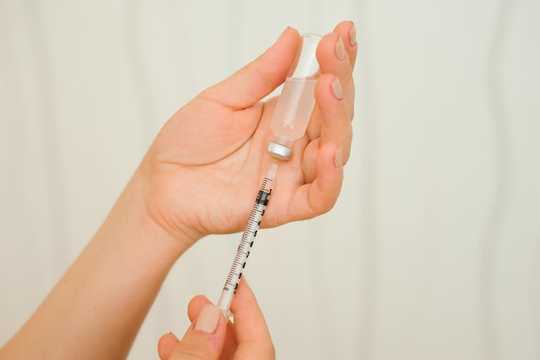
About 7.4 million people in the U.S. require manufactured insulin to stay alive. I’m one of them. I’ve lived with Type 1 diabetes for over 15 years and inject two kinds of insulin every day.
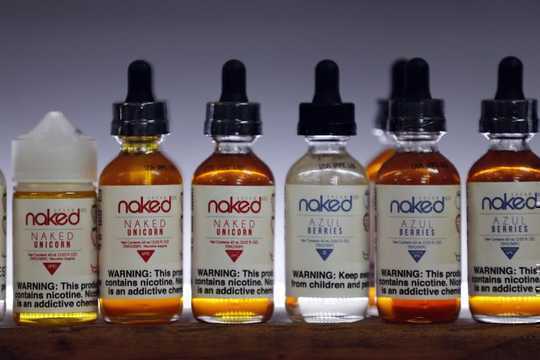
New York Gov. Andrew M. Cuomo announced Sept. 15, 2019 that he plans to pursue emergency regulations to quickly ban the sale of flavored e-cigarettes, making New York the second state to consider such a ban

Can nicotine keep Alzheimer's at bay? Dave Asprey explains how natural drugs can create super humans.
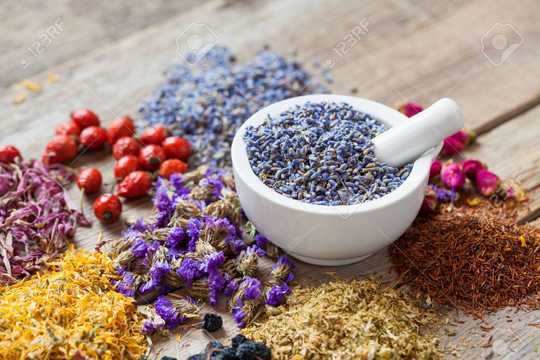
Common herbs, including lavender, fennel, and chamomile, have a long history as folk medicines used to lower blood pressure. New research explains the molecular mechanisms at work.

This past summer the French food and drug office, the Agence Nationale de Sécurité du Médicament, greenlighted limited medical cannabis trials inside France, something that’s been illegal since 1953.
A quarter of all prescription drugs in the U.S. come from substances that are found only in plants. In this episode of SciShow, we take a look at four of these talented plants who make our lives better.
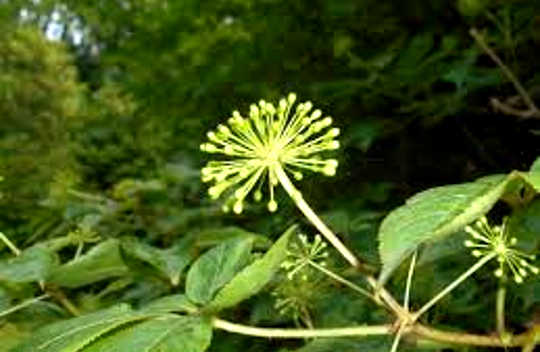
Adaptogens can greatly increase the effectiveness of some modern drugs, including antibiotics, anxiolytics (anxiety relief), antidepressants, and hypoglycemic (blood sugar lowering) agents. They also can reduce, and in some cases eliminate, the side effects of some drugs. They have a proven record of being safe, efficacious, and quite versatile in their treatment of many conditions.

Life-saving antibiotics may cause long-lasting damage to the developing microbial communities in intestinal tracts of premature babies, research finds.

More than half of Americans take a dietary supplement, but the truth is, most people don't need them.

The rise in cases of otherwise healthy young adults who have been hospitalized or even died from vaping-associated lung injury is alarming.

Prescription omega-3 fatty acid medications are a safe and effective option for reducing high triglycerides, which increase the risk of heart attack and stroke, according to a new study.

Vitamin D deficiency in middle childhood could result in aggressive behavior as well as anxious and depressive moods during adolescence, according to a new study of school children in Bogotá, Colombia.

Taking nonprescribed psychostimulants may slightly improve a person’s short-term focus but impede sleep and mental functions that rely on it—such as working memory.
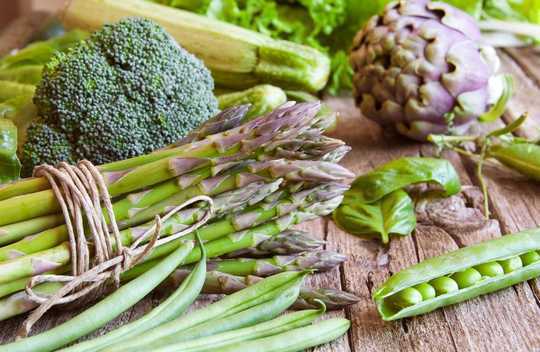
Pregnant women exposed to higher levels of air pollutants had children with lower IQs, compared to the children of women exposed to lower levels, a new study reports.
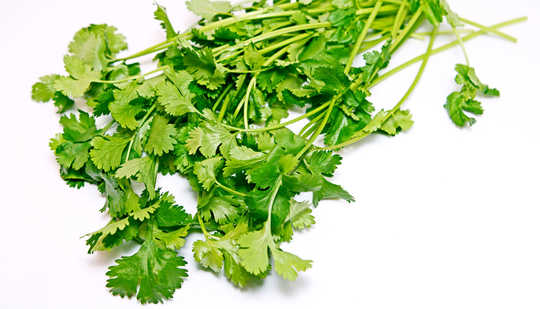
New research uncovers the molecular action that enables cilantro to effectively delay certain seizures common in epilepsy and other diseases.

Michael Pollan explains what goes on during the mental fireworks of a psychedelic experience.
Why did government officials stop psychedelics from reaching mainstream culture?
 For most infections, the long-standing advice is to take a full course of antibiotics.

A new study links long-term use of proton pump inhibitors to fatal cases of cardiovascular disease, chronic kidney disease, and upper gastrointestinal cancer.

A synthetic, non-intoxicating analogue of cannabidiol can effectively treat seizures, according to new research with rats.

Three plants from a guide to traditional plant remedies of the South that the Confederate Surgeon General commissioned during the height of the Civil War have antiseptic properties, according to new research.